The Call for Reparations
The idea of slavery reparations has gained traction, with calls for Britain and other former colonial powers to address their historical involvement in the slave trade. This debate centers around the notion of making amends for past wrongs and the enduring impact of slavery on affected communities.
Justin Welby's Perspective
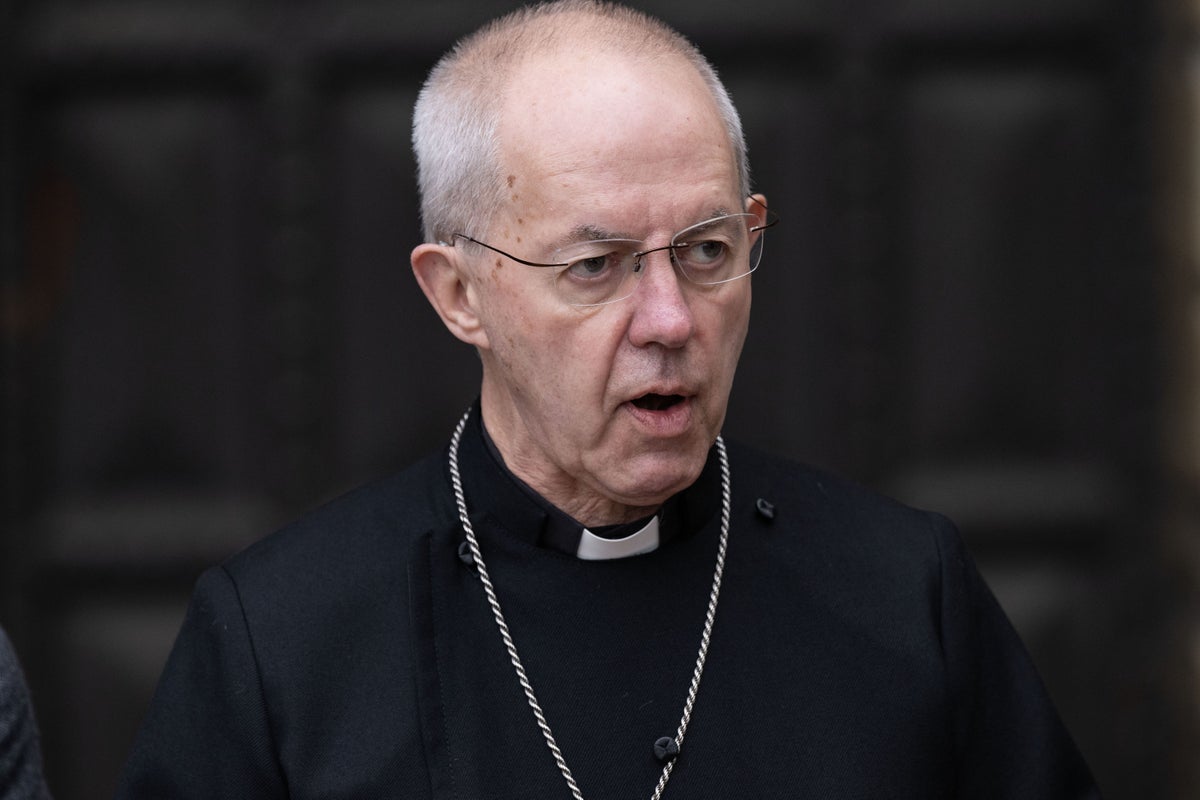
Former Archbishop of Canterbury, Justin Welby, has expressed his opposition to the notion of slavery reparations, describing it as a "vast unjust fine" on the British people. In an article for The Independent, Welby argues that forcing ordinary Britons to pay for crimes they did not commit is morally wrong.
"You may be able to fine individual people for their conduct, but not everyone for their nationality. Group punishment is a moral evil." - Justin Welby
Welby's comments come at a time when King Charles and Prime Minister Andy Burnham are facing mounting demands for reparations during their attendance at the Commonwealth Heads of Government Meeting in Antigua.
A Complex Moral Dilemma
The debate surrounding slavery reparations is multifaceted, with diverse opinions on who should bear the responsibility and how it should be addressed. Some argue that reparations are about making amends for past wrongs and providing restitution for historical injustices.
"Reparations deal with one specific crime and inequality out of many. For places that suffered the most from slavery, this is an extremely reasonable position to address structural inequalities." - Anonymous Commenter
However, others question the practicality and fairness of such reparations, especially when considering the passage of time and the complex web of historical connections.
"You can’t define who should receive or who should pay. The UK of 2026 is a totally different country from that of 1833. Many UK taxpayers are the descendants of slaves, or came from places affected in west Africa." - Justin Welby
Historical Context and Responsibility
The historical context of slavery and the role of various nations is a crucial aspect of this debate. While Britain is often singled out, it is important to acknowledge the involvement of other countries and the complex dynamics of the slave trade.
"I never hear anyone complaining about Spain and Portugal. They drove the demand for enslaving Africans in the new world." - Anonymous Commenter
Some argue that the focus should be on addressing the systemic inequalities that persist as a result of slavery and colonialism, rather than direct reparations.
"What we actually need is a reconstruction of the global economic system to prioritise the development of countries that have been kicked to the bottom rung of the ladder since the colonial period." - Anonymous Commenter
A Divisive Issue
The discussion on slavery reparations has divided opinions, with some viewing it as a necessary step towards justice, while others see it as a futile and unjust endeavor. The potential impact on modern societies and the distribution of financial burdens are key concerns.
"Reparations would amount to a vast fine on the entire British people for a crime they did not commit." - Justin Welby
The debate also raises questions about the role of individuals, institutions, and governments in addressing historical wrongs and the potential for collective action to bring about positive change.
"Reparations exclusively from those still profiting from the position slavery gave them: the ruling class. In the form of their expropriation, as a byproduct of socialist revolution." - Anonymous Commenter
Conclusion
The debate over slavery reparations is a complex and emotionally charged issue, requiring a nuanced understanding of history, morality, and the potential impact on modern societies. While some argue for the necessity of reparations to address historical injustices, others raise valid concerns about the practicalities and potential consequences. As the discussion continues, it is essential to engage in thoughtful dialogue and consider the diverse perspectives that shape this ongoing debate.

